Problem
- Client context: California University of Management and Sciences
- Requested scope: university
- Business tags: University, Web
This service is available to members only.
#University, #Web
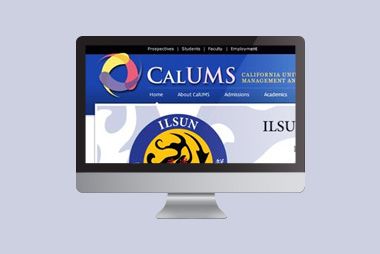
The CalUms Website Publishing project is a comprehensive web development initiative undertaken to design and implement a modern, responsive, and user-friendly website for the California University of Management and Sciences (CalUms). This project leverages the latest web technologies, including HTML5 and CSS3, to create a digital presence that reflects the university's commitment to excellence in education and research. The project aims to enhance user experience, improve accessibility, and provide a robust platform for information dissemination and interaction with current and prospective students, faculty, and stakeholders.
Homepage: The homepage features a clean and modern design with a prominent hero section that highlights the university's mission and values. It includes quick links to essential sections such as Admissions, Academics, and Research.
Admissions: This section provides detailed information on the application process, requirements, and deadlines. It includes interactive forms and a FAQ section to assist prospective students.
Academics: Organized by departments and programs, this section offers comprehensive information about the courses, faculty, and academic resources available at CalUms. It includes a dynamic course catalog that can be filtered by department or program.
Research: Showcases the university's research initiatives, publications, and projects. It includes profiles of faculty members and their research interests, as well as opportunities for student involvement.
Student Life: Highlights the various student organizations, events, and services available on campus. It features a calendar of events and an interactive campus map.
Contact: Provides multiple ways for users to get in touch with the university, including a contact form, phone numbers, and a location map integrated with Google Maps.
<header>, <nav>, <section>, <article>, and <footer> to create a well-structured document that is both accessible and SEO-friendly.The CalUms Website Publishing project demonstrates our expertise in modern web development technologies and our commitment to creating websites that are not only visually appealing but also functional, accessible, and user-friendly. By leveraging HTML5, CSS3, and other cutting-edge tools, we have developed a website that effectively serves the needs of the California University of Management and Sciences, providing a valuable resource for students, faculty, and other stakeholders. This project is a testament to our ability to deliver high-quality web solutions that meet the diverse needs of our clients.